US-Iran Peace Deal: Massive 60-Day Ceasefire Brings Relief
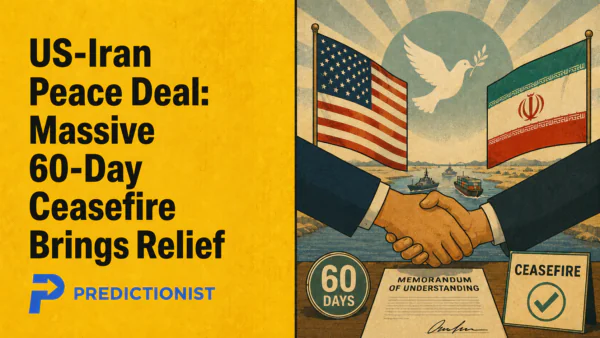
The United States and Iran have officially signed a preliminary memorandum of understanding, marking a historic breakthrough in the highly anticipated US-Iran peace deal. The agreement formally reopens the strategic Strait of Hormuz and instantly halts recent military hostilities. This diplomatic milestone launches 60 days of critical negotiations regarding long-standing nuclear issues and economic sanctions.
The Details of the US-Iran Peace Deal
After months of intense negotiations, President Trump signed a hard copy of the framework agreement during the G7 summit in France. Administration officials immediately confirmed that the memorandum of understanding was fully in effect prior to the June 15 deadline.
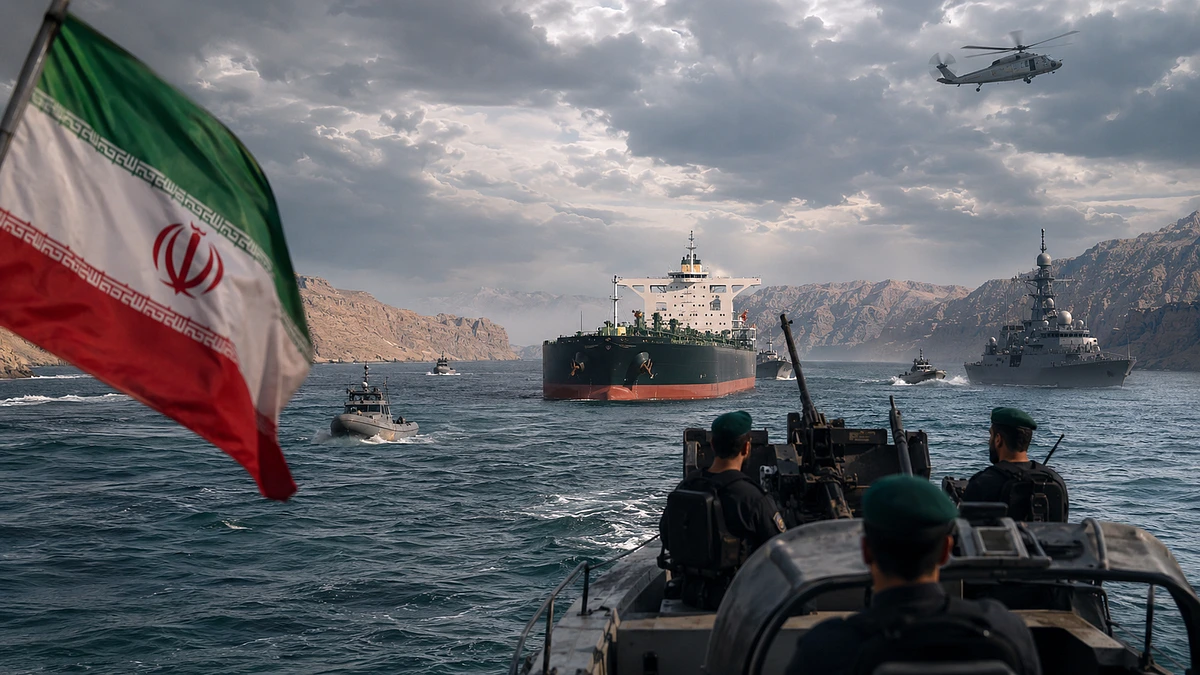
The immediate reopening of the Strait of Hormuz provides massive relief to global energy markets and commercial shipping lanes. However, the agreement is strictly a preliminary framework rather than a finalized treaty.
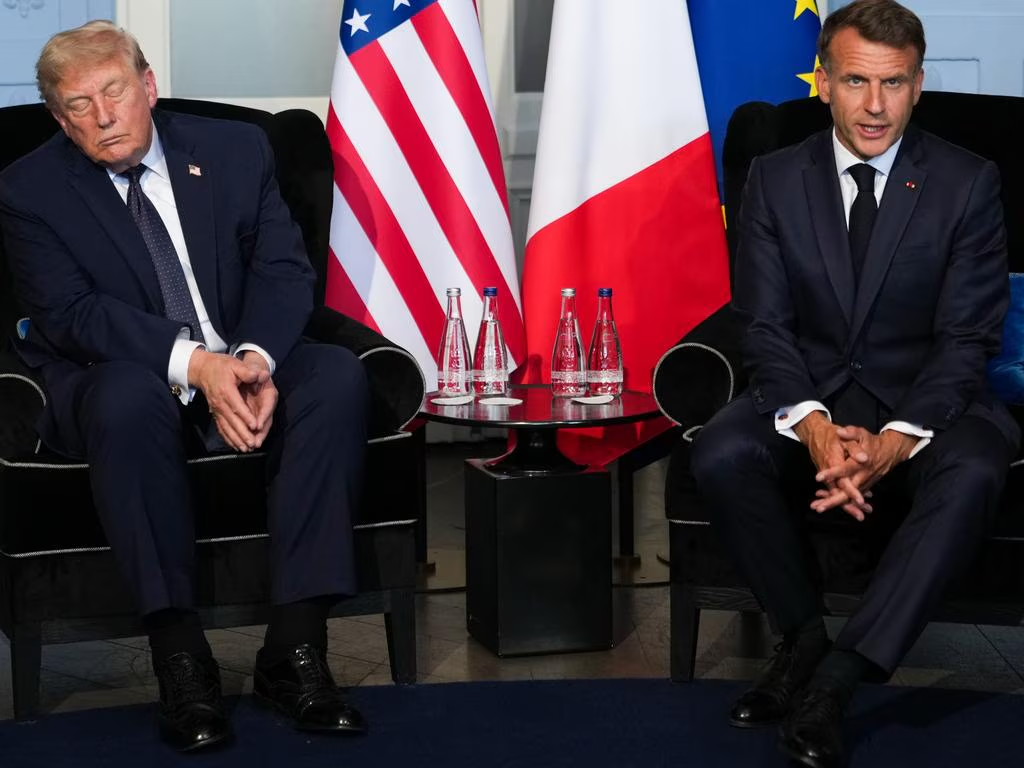
President Trump explicitly defined the agreement as an interim measure while addressing reporters in France. The harsh rhetoric underscored the fragile nature of the ongoing diplomatic efforts.
“It’s a memorandum of understanding,” the president stated clearly on the sidelines of the summit. “If I don’t like it, we’ll go back to shooting at them, dropping bombs on their head.”
While the immediate threat of military conflict has paused, the upcoming 60 days of talks will be critical. Negotiators face the monumental task of resolving deep-seated disagreements over Iran‘s nuclear program and international sanctions.
How Prediction Markets Are Reacting
While the geopolitical world celebrates the pause in hostilities, the ambiguity of the US-Iran peace deal has triggered chaos in financial forecasting. A massive $345 million prediction market contract on Polymarket has entered a formal dispute phase, according to TradingView.
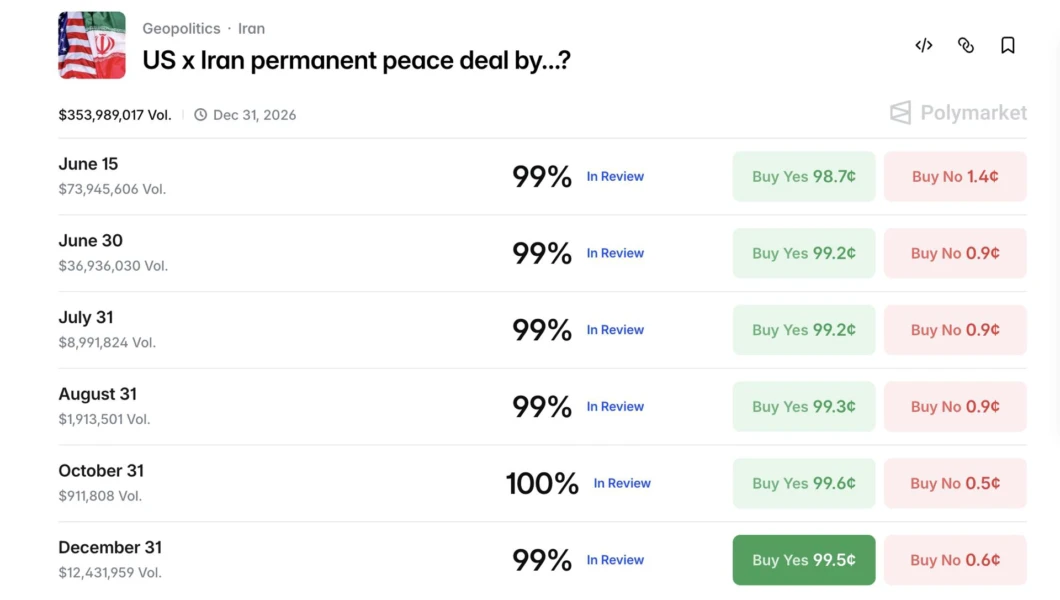
Traders are fiercely divided over whether the preliminary memorandum of understanding satisfies the strict requirement for a “permanent peace deal.” Supporters holding Yes shares forcefully argue that the public confirmation from both governments meets the market criteria.
Conversely, traders holding No positions argue the agreement falls fundamentally short of permanence due to the 60-day ceasefire language. They maintain that a deal threatened with immediate bombing by President Trump cannot be considered a permanent peace agreement.
UMA Tokenholders to Decide
The outcome of the $345 million market now rests heavily in the hands of UMA governance tokenholders. These participants will cast the final votes to determine exactly how the massive prize pool is distributed.
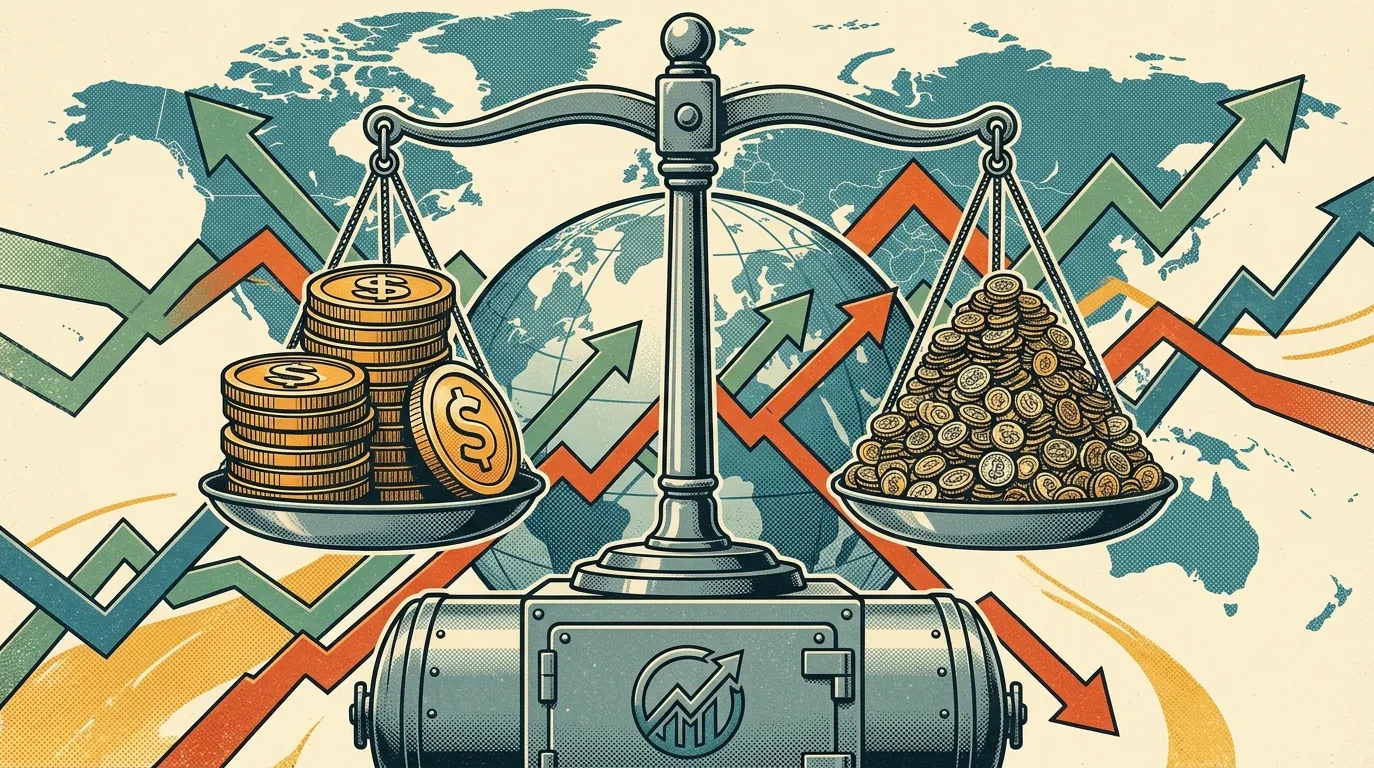
Early indicators show an overwhelming 99% of voting power currently supports the Yes resolution. However, Bloomberg recently reported that nine wallets control more than half of these voting tokens, highlighting massive centralization risks when interpreting complex geopolitical events.
For major platforms like Kalshi and Polymarket, maintaining trader confidence strictly requires settlement consistency. When hundreds of millions of dollars hinge on the definition of a single word, prediction platforms face extreme pressure.
Global Implications Moving Forward
The success of the preliminary framework will likely spawn dozens of derivative markets tracking the progress of the subsequent nuclear negotiations. Traders are already actively shifting their capital into new contracts focused on sanctions relief and crude oil pricing.
The reopening of the Strait of Hormuz alone presents massive trading opportunities for commodity markets and related event contracts. Prediction market volumes tend to spike significantly following these major diplomatic breakthroughs.
The impending UMA tokenholder vote will definitively prove whether decentralized governance can effectively handle complex geopolitical realities. Regardless of the market dispute, the US-Iran peace deal framework represents the most significant de-escalation in recent history.
Quick answers
The US and Iran signed a memorandum of understanding on June 15 to halt hostilities and reopen the Strait of Hormuz.
The two nations will engage in 60 days of critical negotiations focused on resolving disputes over Iran’s nuclear program and economic sanctions.
Traders are arguing whether a temporary 60-day ceasefire and memorandum of understanding qualifies as a “permanent peace deal” under the $345 million market rules.
At the G7 summit, he called it a memorandum of understanding and stated he would resume bombing if he did not like the terms.
Latest Posts